
Webinars: what's a webinar ? How do I blog
But, when you're spending so much time spent on the web, working, daily life tasks, and even the periodic social media frenzies, it can be hard to organize a webinar which draws people in and keep them engaged.
In this article, we'll go straight to the best stuff We'll discuss the definition of a webinar, and the best way to create the most of it in 2021, an updated checklist of the features you need to be looking for on your webinar platform of choice and some of the best practices to follow when planning a production, and a few event examples to get the creativity flowing.
Go to the most pertinent webinar segment:
- What is a webinar?
- How does a webinar perform?
- Webinar types
- How to prepare a webinar
- 8 tips to drive webinar engagement
- Should I create an online webinar for free or pay?
What exactly is webinars?
A webinar is a restricted online event which provides a topic specific to the audience. The presenter or group of presenters brings their message to life through audio clips, video beautiful presentations interview, as well as interactive tools designed to draw the audience into the conversation.
Internal webinars typically enable remote onboarding and training for organizations and also help align group members around larger corporate objectives or initiatives.
Once we've got the basic principles of a webinar to go over, let's look at what constitutes a successful webinar (and ways to stay clear of big mistakes).
How do you make a great webcast?
What is the best webinar? One of the most important lessons in 2020 is that businesses and companies shouldn't try to keep the attention of a crowd during a webinar for seven hours straight.
Here are five ways to help your webinar stand out:
Concentrate on the the content
Design a spectacular experience
There's plenty of videos on the internet. What can you do to ensure your content is relevant and interesting for the people who watch it?
Marketers planning to conduct effective webinars should not forget the design of the live stream. This is a consideration for the high-quality of the live video stream, branding as well as lower thirds and the overall style that can assist in drawing in the audience and keep them engaged.
Increase confidence
It's natural to experience jitters before going on the (virtual) stage. Many of the respondents stated that technical issues (44 percent), team resources (37%), and content generation (36 percent) were their biggest hurdles in putting on live events. That's why it's so important to employ strategies and tools that build people's confidence rather than tear them down.

Choose a platform that can mitigate technical hiccups. This will facilitate the preparation or storyboard webinar content beforehand and practice it through speakers. Bonus points for tools that help your speakers to focus on the main point of the conversation speaking their knowledge and connecting with their audience.
Engage your audience
It's true that nobody likes being talked at. Plan to engage people's curiosity through asking questions throughout the event, creating fun polls and publishing the results, while developing a rapport with the audience so everyone can be able to respond immediately.
What is the process of a webinar?
In order to understand webinars, we have to look at the two sides of the coin.
On the other hand, there are audience members (sometimes referred to webinar registrants and webinar attendees). They would like to be involved. What does that mean? by allowing them access to valuable material to boost their professional standing or address a challenge. They're sensitive to technology mishaps like audio glitches or streaming delays So you'll require the ability to offer a consistent experience.
The other person is the webinar producer or broadcaster. They are the ones behind the scenes. They balance the production of content, creation of content, promotions, and technology in order to stage a spectacle. They rely on robust video and live streaming software to impress their viewers.
We now know how webinars function and what the objectives are for both the viewers and webinar producers, let's dive into some common webinar types.
Webinar types
Webinars can be found in many forms and dimensions. Here, we've provided the four kinds of webinars that you typically use to promote internal communication, marketing as well as thought leadership, and for relationship with your customers. While you're looking through this list, consider what type of webinar you're looking to make.
1. Leadership through thought
The webinars presented are the best kind for industry-specific commentary about developments. The content is based on data, research, and controlled by an industry professional or panel of experts. The thought-leadership webinar is an excellent channel for companies and creators who are independent.
2. Educational
Educational webinars provide a deep dive into a particular subject or solution. Quotes, case studies and data, as well as the latest practices and many other forms of media can aid the audience to become immersed in the topic.
3. Training
4. The customer is on the way to board
Customer onboarding for businesses is an essential element of the success. Trainings can include creating user accounts, product demos features, updates to feature, and best practices.
Webinars recorded live and pre-recorded
What ever kind of webinar you're planning to host it's likely that you'll present it in one of two different ways. There are some things to think about when making that choice.
Live webcasts are live broadcasts with one speaker leading the event or as a moderator that can support multiple speakers.
The value of a live webinar is that speakers and audience come together to share in the moment about a crucial subject. It's a one-time event and you'll likely need lots of work prior to your event.
Live webinar is the real-time engagement from both audience members and speakers.
Webinars that have been recorded are (as the name suggests) recorded and later broadcast via on-demand, or in simulative. They're usually regarded as live experiences where people can watch it at a certain date and time.
The major benefit of pre-recorded webinars is it minimizes chances of mishaps. Editing and additional takes in post-production create a top-quality video experience for the audience.
What are the most important webcast features?
Whatever the reason for your webinar, it's likely that you'll need to prepare with the features and functions to build the best possible experience.
Here are the most important features that we think will transform any webinar into an amazing live show.
Experience a high-quality viewing experience
It's true that users have a lot of options in the way of viewing content online. Your content and the viewing experience to share it should be considered when choosing the method or platform you intend to choose to make use of. It's also good to choose the option that gives viewers the ease of watching the show from the comfort of their own browser instead of asking users to download an application before the event begins.
Tools for broadcasting that can be powerful
Webinar hosts need the faith to broadcast live. Powerful and intuitive broadcaster tools that permit a single user to upload and edit the content prior to a live broadcast can be a fantastic method to make sure everything is good to go in the background prior to live broadcasting.
Backstage experience
A digital backstage experience which includes audio with private chat and chat can assist webinar hosts in preparing, coordinate, and manage the speakers prior to and following the live broadcast. It can also assist speakers to build relationships with the audience behind the scenes, or decompress after the event.
Moderated Q&A and chat
The ability to enable the ability to allow chat and Q&A can help to engage audience members into a conversation that is live.
A custom registration page that can be customized
Webinars are an excellent way to generate leads for your business. But a static landing page isn't enough in attracting a broad audience or even help you to gather relevant information before launching. Search for software that allows to create an customized registration flow that can be customized with fields for your specific needs, branding elements, and methods to link to your tech or marketing platform.
Email automation
Automated email messages provide the added process of creating processes or campaigns that remind registrants about an upcoming event. It is also possible to brand your email messages and add a customized appearance to your webinar.
Branding
Controlling colors, fonts, opacity, and logos are all important to create a cohesive virtual experience.
Media playback
Do you feel intimidated to perform? It's not a problem! Playback of media is a way to create a pre-recorded video which can then be replayed either live or in simulative mode to avoid any live accidents. You can even embed your video on your site to make your viewers more likely to access and enjoy your video.
Tools for post-events
At the end of your event, you can trim your video and add chapters before hosting the content to be able to use it on demand. Want to create your own highlight reel? Consider platforms that create entertaining GIFs from your content so you can share via email or social campaigns after the event has ended.
Analytics
Know the details of your webinar's performance with macro event stats including total viewers and average time to watch and maximum viewers and also viewer-level analytics like the number of registrants vs attendees, watch time, and any engagement through polls or questions and answers. The information can aid broadcasters to understand the behavior of viewers at a granular level so that they can optimize their viewing experience. It can also help turn viewers into buyers.
How to plan a webinar
The most effective webinars begin with the conclusion. What that means is that successful webinar planning starts with a backwards process starting from the go live date as well as the anticipated end result.
This is a simple guide that will help you stay on target when it comes to planing and executing your next webcast.
1. Set your sights
Goals, goals, goals. All it is about the outcome! When you are preparing to launch your online course, you should think about:
- What exactly am I trying to achieve?
- What content is my target public seeking?
- Are there specific metrics that will ensure success?
2. Identify your target audience
A great piece of content begins by understanding your target viewers.
If you're using personas, begin fleshing out your persona's target or pulling in existing documentation.
If you're interested in particular customers, prospects, or account types you'd like to target, consider listing them or pull out reports to gain a visual on who exactly your content should be able to resonate with.
3. Create the subject, title, and format
Once you've established your goals for your webinar and the audience locked tight -- it's time to get creative. Think of relevant topics, content, titles, and formats. Perhaps you have strong opinions of who you'll invite to help enrich the webinar topic.
4. Start your webinar project
After you've completed all the preliminary goal setting preparation, planning, and creativity you're ready to begin the campaign.
Webinars may be easy or complex. However, nearly everyone working within the business of webinars will inform you that it requires the help of a whole village. Find out who will be able to support the creation of content, artistic assets production, marketing webinar tech and reporting so that you can successfully launch an unforgettable event.
5. Pick and prepar your presenters & team
If you're using external speakers, you'll need to dedicate some time for outreach to speakers. Start by tapping on your professional connections for speakers. You can then look for professionals who are able to confidently talk about your topic.
Pro tip: What webinar pros know is that on-screen interaction has massive differences in the experience of the audience and speaker.
When you've established the speaker lineup in place, make kickoff meetings to introduce them all as well as build relationships. help everyone get acclimated in the lead-up to the event.
6. Plan out the content as well as the agenda and sequence
Great webinars have some base components. This includes: a charismatic speaker or two, a beautifully designed presentation, and an easy flow.
In live meetings, it's surprisingly easy to disrupt conversations. Make sure to bake in hard deadlines or an agenda that keeps everyone focused.
Sample presentation flow:
- Notes on housekeeping and welcome
- Webinar topic introduction
- Introduce the speaker
- Discussion on the core topic
- Live Q&A
- Statements of closure
7. Using multimedia to tell a tale
You may have heard the advice of a writer to "show not tell." Similarly, a common mistake that webinar organizers make is not making use of sufficient multimedia.
Make your presentation unique by using pre-roll video as well as music, interstitials graphs and recordings to communicate your message. Make use of text-heavy slides in moderation to prevent information overload.
8. Focus on engagement
Your viewers shouldn't be spending the duration of a webinar simply watching the material.
Launch polls, add ice breakers, and Q&As throughout the presentation. The audience can better absorb information and clues webinar producers to what topics are the more interesting for their target audience.
9. Evaluation of success
Webinars are a great instrument for gathering data and crucial insights.
Check out the total number of registered participants, attendees, session times and any other audience-specific data like Q&A submissions.
There's plenty of benefits to identifying the source of conversion, too, so be aware of whether there were more converts through email, social media, or the word of mouth.
10. How long should a webcast be?
Webinars have a sweet spot that ranges from 30 minutes to an hour. Any shorter than 30 minutes might cause participants to feel that it isn't worth their time. Any longer than 60 minutes may be excessive. Think of it as a lunch & learn format where folks will pop in to be focused for a small and focused amount of time.
11. Research and attend other webinars
Webinars have become a rage. The format is constantly evolving with new technologies and methods are evaluated live in real time. Take a look at your competition or other industry heavyweights that are in your area to inspire new ideas.
Webinar tech
It takes a village to pull off a great video production. That includes people, technical resources, and the time.
When you are preparing for your next webinar, you'll probably require some knowledge in video production as well as technology. We've listed our top 7 factors to make sure you're landing the perfect technical implementation.
1. Choose your preferred video platform
The very first step is determining where viewers is likely to view your presentation. There are a lot of webinar platforms out there, so be sure to do your research before making a decision.
Below are a few points to keep in mind when purchasing an option:
- What kind of video quality can I anticipate from my webinar technology?
- What is the best way to distribute my video content?
- What interactivity tools can I use to engage my viewers?
- What analytics can I capture?
- Have I clearly defined my budget limitations?
2. Understand bandwidth needs
For a successful video or webinar, you'll need to take high quality audio and video. It all starts with an excellent internet connection.
Broadband requirements for webinars
- 1080p streams require the minimum speed of 5Mbps per second, but we recommend doubling that with 10MB per second.
- Other remote guests may require at least 2 Mbps every second.
3. Encoders and switches
The encoder/switcher is where you'll handle the audio as well as the video footage you've taken and pack it to be delivered to your media platform.
Two possible options for switchers include:
Livestream Studio:This is a combination, multi camera switcher and video encoder. Switcher/encoders are a good alternative as it increases the efficiency of your production.
Hardware encoders: You have a variety of options available for hardware encoders and allow you to connect your camera, internet, and connect it to the platform of your choice.
Remember that most hardware encoders will include something of a software component However, the hardware encoders' software is usually limited in terms of functionality.
4. Cameras
The best part is that top-quality cameras are available at fantastic, affordable prices.
Cameras can cover a broad range of subjects, from your phone that you carry around all the way up to traditional broadcast cameras. There's no limit to what you can do in terms of the camera options.
5. Audio and microphones
A small amount of investment in your audio can enhance the overall performance of your webcast.
6. Lighting
There are many possibilities to do with lighting.
Begin with a small amount. As an example, adding natural lighting can have an enormous impact on video quality. But, it is difficult to manage.
If you're in search of greater control, look into the options available for light bouncers as well as reflectors. You can also check out LED lighting to provide an even light on the Webinar speakers.
7. Bits and bobs
It's all tiny details to think of when considering cameras, encoders, and the internet.
Before you go live, consider whether you need an extension cable for connecting your camera to the encoder, or If you have multiple devices on the same network, you may need a network switch. If you're using your laptop, you might require a scanner converter in order to change the video format.
Start building your own encoder kit with something as simple as an extension cord, and a an electrical power strip.
How can you prepare your production?
Webinar producers are very aware of Murphy's Law. This is why a solid infrastructure, in terms of production and contingency planning is essential for webinar pros.
Here are some simple strategies to create a strong infrastructure and make sure your content and speakers are shining through.
Writing scripts and practicing
As a best practice We recommend forming a consensus on your agenda for your webinar as early as you can. The agenda should include the topic of your webinar and speakers, as well as cues and the main areas of focus. After you've got your schedule locked down, practice as much as you can!
Pro tip: A lot of the magic happens at last minute, but you shouldn't be afraid to take the chance. For every webinar, plan to allow between 3 and six weeks lead time to get all your content completed.
Speaker and presenter coaching
Presenters and your speakers drive the webinar. If they're exuberant, your audience is excited. So make sure you've dedicated sufficient time for preparing the speakers, give feedback and provide coaching if needed, so they're prepared to step on the stage.
Scheduling prep sessions
The best rule of thumb with practice sessions is scheduling particular prep calls.
We recommend a few different gatherings. For a webinar that's around 45 minutes - 1 hour, here's the three prep sessions you'll want to slot in before the launch date.
- A dedicated meeting is held for agenda-setting and content (around sixty minutes)
- A technical run-through that includes the presenters and speakers (30 - 45 minutes)
- An unrehearsed rehearsal without every speaker in attendance (45 minutes - 1 hour)
Pro tip Be sure that your presenters have a clear understanding of the amount of time required to take part for your webinar so that they are able to attend all the sessions leading up to your event!
Contingency planning
Live streaming can provide an adrenaline rush for those who produce webinars However, it could also cause a lot of stress. Remember that a recovery is always possible if you are prepared.
If possible, assign one person from the team who will handle plans for contingencies.
This could comprise:
- Making a hold slide to solve technical problems
- Locking in substitute speakers for any speaker change
- Prepare your technology (such as an additional video stream) to be ready for problems
Good event planning is good contingency planning. Rich Sireno,
How to promote your webinar with just seven easy steps
You've stepped up to front load everything you need to put an amazing show. But no production is full without an audience. Here are 7 tips of the trade to make sure that your (virtual) house is full.
1. Make sure you are targeting the correct target
The most effective webinars are designed with your audience in mind. Data, personas, customers, or even ideal customers, to determine the best content that speakers will be able to deliver to the correct audience.
There are many strategies to increase the number of people who are consuming your content. Be aware that finding your niche can be an ongoing calibration for certain content producers and pro marketers. Nothing is more satisfying to the best marketer or creator than meeting their audience where they are.
How can you get people to watch your video?
Improve your skills in marketing with our latest class for live streaming and the development of audience.
2. Build a webinar landing page
Webinar promotions are best done by putting them on a dedicated website. Make a title for the webinar subject, speaker profile, and others together with photos and details about the schedule of the webinar. Design and artwork can help set the tone of the session to draw visitors to register.
3. Promote your webinar
Pro tip: The longer lead time you have for promoting your webinar, the better.
It takes time to drive the public's attention to an event that is coming up. It is important to schedule in between 2 and 4 weeks for promotional periods that are specifically designed in order to get the most registrations.
4. Send a registration confirmation email
It's helpful to build this process into your registration flow in your specific webinar webpage. Check that all the relevant details like webinar title dates, times as well as the URL are included in the confirmation email. Bonus points if you can add a calendar invite link invites with the event web page.
5. Automate the reminders on a day-of basis.
If you've ever registered for an online webinar, a day-of reminder can save your life. People who sign up have a set the date and forget about it and a gentle reminder is much welcomed.
6. Remember to follow up after the webinar
Post-webinar follow-ups are a key aspect of the overall experience. Typically, organizations wait at least 24 hours after the webcast date to follow up. It is important to send a thank you and link to the recording on demand If you've got one.
7. You can invest in an online webinar page
In the end, make effort yield dividends by repurposing your live webinar into streaming video. Make edits to your video as necessary and then host it on the page with a security gate.
It serves two functions This helps you gather more information to determine how well your video content performs over time and it helps you generate new leads for webinars.
8 tips to drive webcast engagement
An essential aspect of webinar production is providing a unique and engaging experience. Take a look at a few strategies you can increase engagement during you next event.
1. Webinar landing page
Any marketer would say a special landing page specifically for your webinar is a must. It will provide all pertinent details about the webinar in order to help educate potential registrants.
2. Banners, pop ups, ads
3. Invitations to email
At the outreach stage of your webinar, a targeted email marketing campaign will help connect with your existing list of contacts, and increase the registration process.
4. Ice breakers
During your webinar You can break through the ice with a fun ice breaker or two.
In educational or thought-provoking webinars, these icebreakers could be used to engage your presenters and speakers. To make your webinar more interactive The breakers can extend to live viewers who are able to participate in live chat , polls or even live chat.
5. Live polls
A popular engagement tactic is live polls. They are great for an introduction to the topic, as well as a way of assessing your audience's experiences in the subject, or reaching a consensus with the live audience.
6. Live chat
We suggest staffing the live chat by a minimum of 1-2 moderators in order to help facilitate conversation and respond to queries.
Live chat can be a great option for webinars with more than 1,000 participants. For webinars broadcast to millions of viewers in live mode It may not be feasible for moderators to actively monitor the chat.
7. Live Q&A
Live Q&A is an excellent way to allow webinar viewers to bring burning questions directly to your live talent. There are many ways for tackling a live Q&A:
- Upvote Q&A:This technique allows users to post and vote on issues they care about most. It allows viewers and presenters to interact with webinar tools.
- Moderated Q&A: Modified Q&As offer greater control when it comes to handing over questions to speakers/presenters. In the case of webinars that are internal, this also allows for an additional layer of security.
- Free form Q&A Like the title suggests it is a form of Q&A that allows users to ask questions to presenters and speakers who answer in real-time.
8. Closed captioning and accessibility
Should I create a free or paid webinar?
There are several benefits to both free and paid webinars. Find out a few advantages of every webinar.
Free webinar
Free webinars are a fantastic option when you're looking to create interest for an area or product. By adding a quick RSVP and registration page could aid in gathering registrant details in order to reach them out later.
Furthermore, your clients are likely to benefit from free webinar content in the form of instructional videos and exclusive content as well as new product announcements. Do not miss the chance to interact with existing customers and build communities.
Paid webinar
Paid webinars are a great alternative for those whose primary webinar goals are revenues. Determine the value of your ticket based on the audience you are targeting, your content, and the overall value your webinar audience will get from it.
Examples of awesome webinars
Great webinars deliver brand equity, topic authority as well as credibility. Across industries, creators create innovative video experiences that take this practice to the next level.
Here are a few examples of ways to build your webinars, regardless of whether you're creating the experience for employees within your company, customers, or newly-minted fans of your brand.
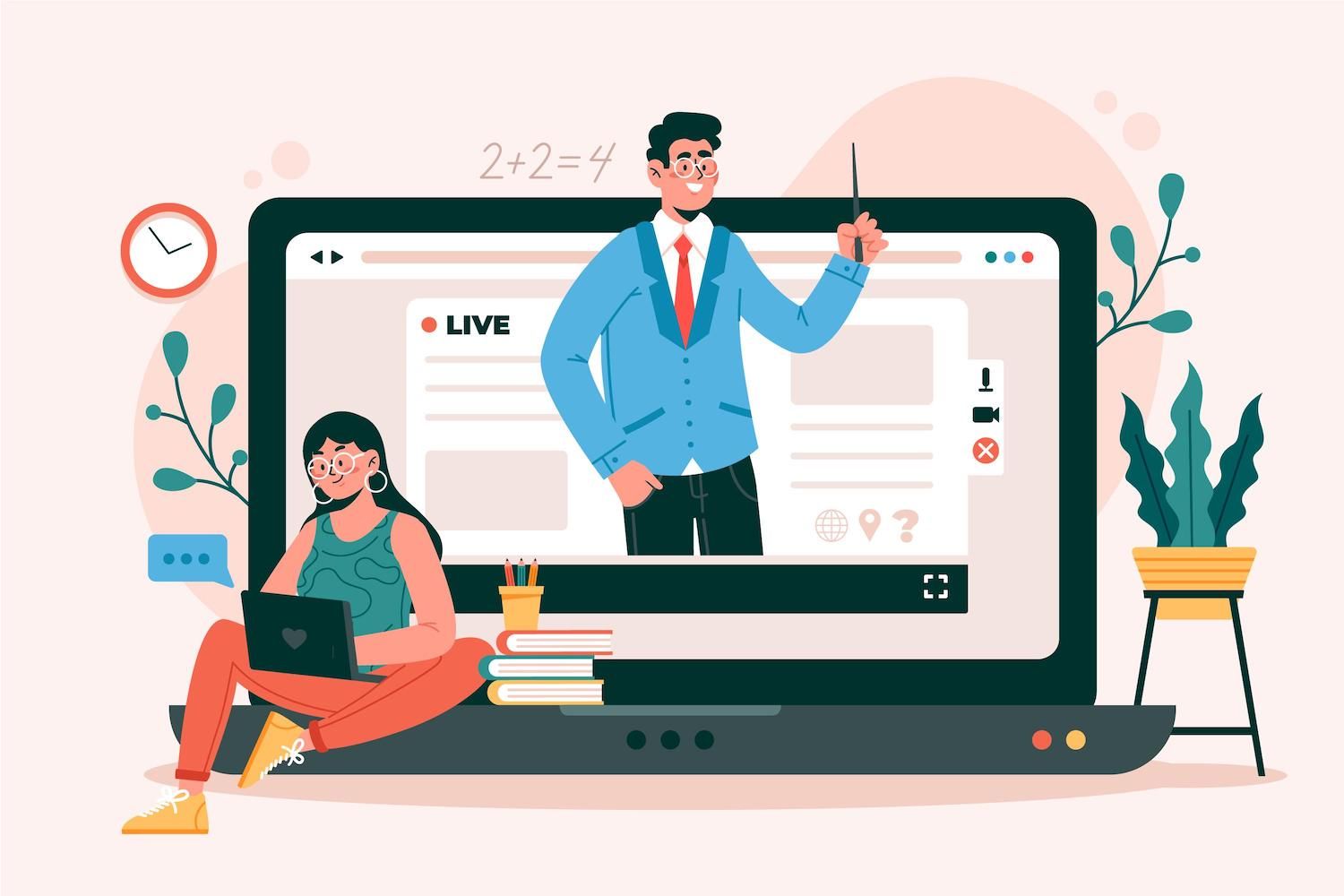
Here, we offer plenty of information to assist new creators start their first videos. Master Class Master Class is a series of webcasts which cover certain topics such as how to capture a live stream to growing the audience.
Think about creating a program of courses on subjects that are valuable to the audience you are targeting.
Bloomberg Webinars
Bloomberg is a global media corporation that offers reports, information and information to businesses around the world. Because of their far reaching public, Bloomberg invests in creating webinars that cover topics, languages, and regional markets to deliver pertinent information to the public and their subscribers inside their own local markets.
However big your business is, it is important to remain local. When you are building your video library, make sure to categorize video content using ways that make sense to the people who watch it.
A tip for you: Find solutions that will help you store your video content in a single place.
Splash

Splash is an event-related technology platform that is geared towards brands and businesses. Their library of webinars includes the latest industry news and reports, new product announcements as well as how-to videos to keep their viewers informed of the latest new.
The sky is the limit! Your webinars could cover a lot of ground including product demonstrations, leaders reports or fireside conversations.
Smithsonian: !Printing the Revolution! The Impact and Rise of Chicano Graphics, 1965 to Now

Smithsonian made use of video to produce an interactive the preview of their exhibition! Printing the Revolution! The rise and impact of Chicano Graphics, 1965 to Today. The show featured both recorded and live elements that give viewers a full sense of the exhibit, curation of the concept, as well as the context surrounding the artist featured.
For arts institutions - Don't worry! Explore ways that you could use video to create exhibits or performances available to everyone.

If you are hosting an event that is all day combine different session types by interspersing content, wellness sessions or other engaging content to keep your audience entertained.
The reason you should start a webinar now
If you're on the fence about whether or not you should launch a webinar -- we've got the answer for you. Check out some of the biggest value-adds to the investment in a webinar's production.
Contribute your knowledge
Webinars are a great opportunity to present your ideas and experiences on a particular subject. It is possible to present your information and engage other experts to increase your visibility in a specific topic or sector.
Learn how to train your remote team
Remote onboarding and education is a must-have for a remote workforce. Webinars let organizations synchronously or asynchronously instruct employees about business objectives, role-specific functions, or provide additional update to keep the teams in sync.
Generate sales leads
Webinars can be a great way to attract potential customers and generate leads for your sales teams. Use webinars to discuss the topics that interest you, to share the latest product information, or to invite industry leaders to tackle those topics most pertinent to your target audience.
Create evergreen content
The evergreen content category is the ultimate goal for content marketers. Webinars are valuable in two ways: first, your lead forms allow you to capture interest in your webcast before it goes live, while an on-demand lead form lets you capture interest post-event. Your content can continue to generate interest and demand long after the presentation has ended.
Form a community
Finally, webinars build community. By creating a recurring program of online webinars you will create an audience who comes returning to your site to see your posts for a prolonged period of time.
Wrap the entire thing up
There's no way around it Great webinars are hard work. From planningto producing tests, to generating demand, the entire orchestration is a long process. The benefits, however, will be worth the effort.
Then think big, gather your team and begin planning your next big show.
The first version was launched on March 9, 2021. It was updated on November 3, 2021.